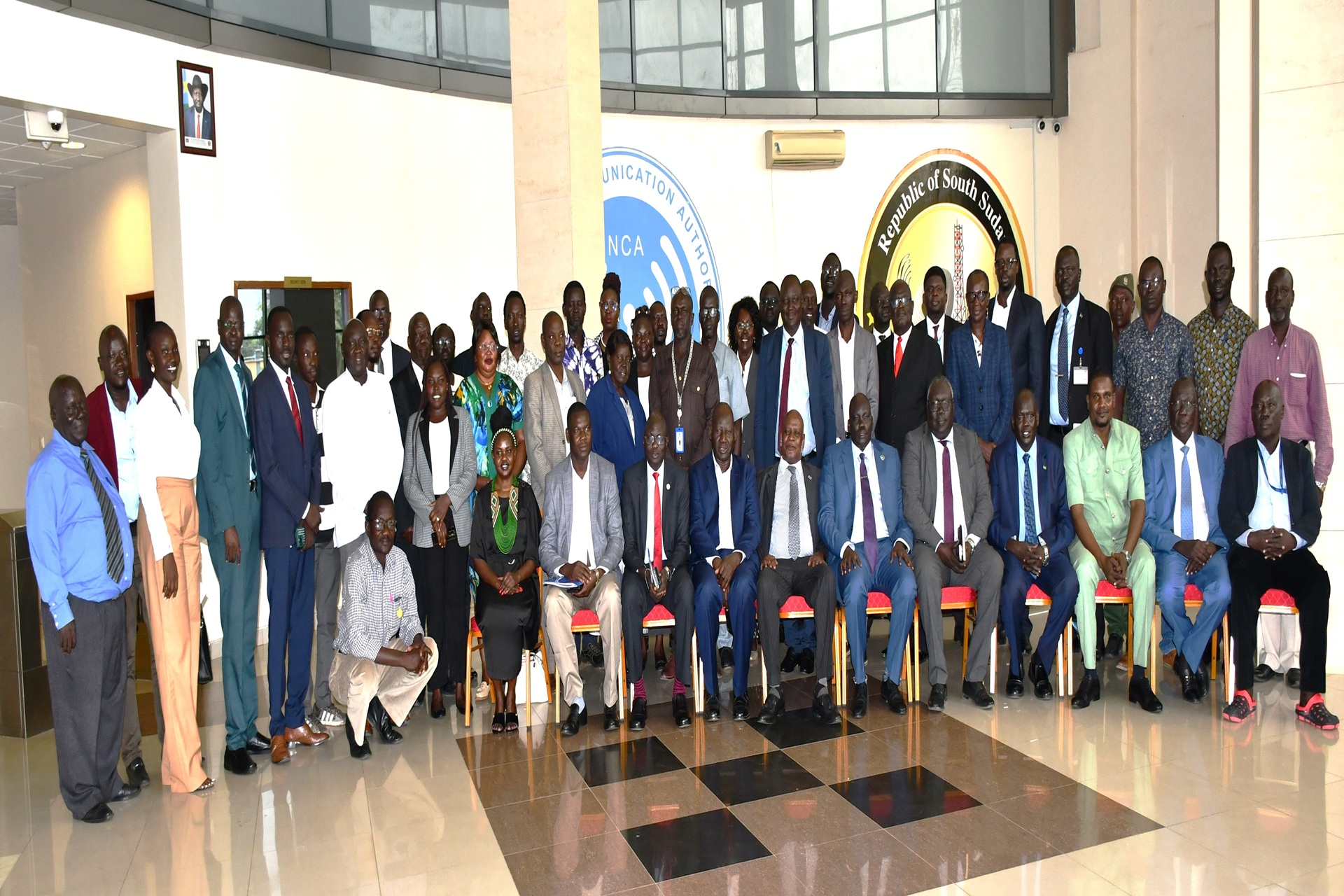
In a landmark academic engagement, fourth-year students from the School of Journalism, Media and Communication Studies at the University of Juba undertook a study visit to the Media Authority, marking the first batch from the School to participate in such an academic tour.
The visit was designed to bridge classroom theory with real-world regulatory practice, giving students direct exposure to the institution responsible for overseeing media operations and standards in South Sudan.
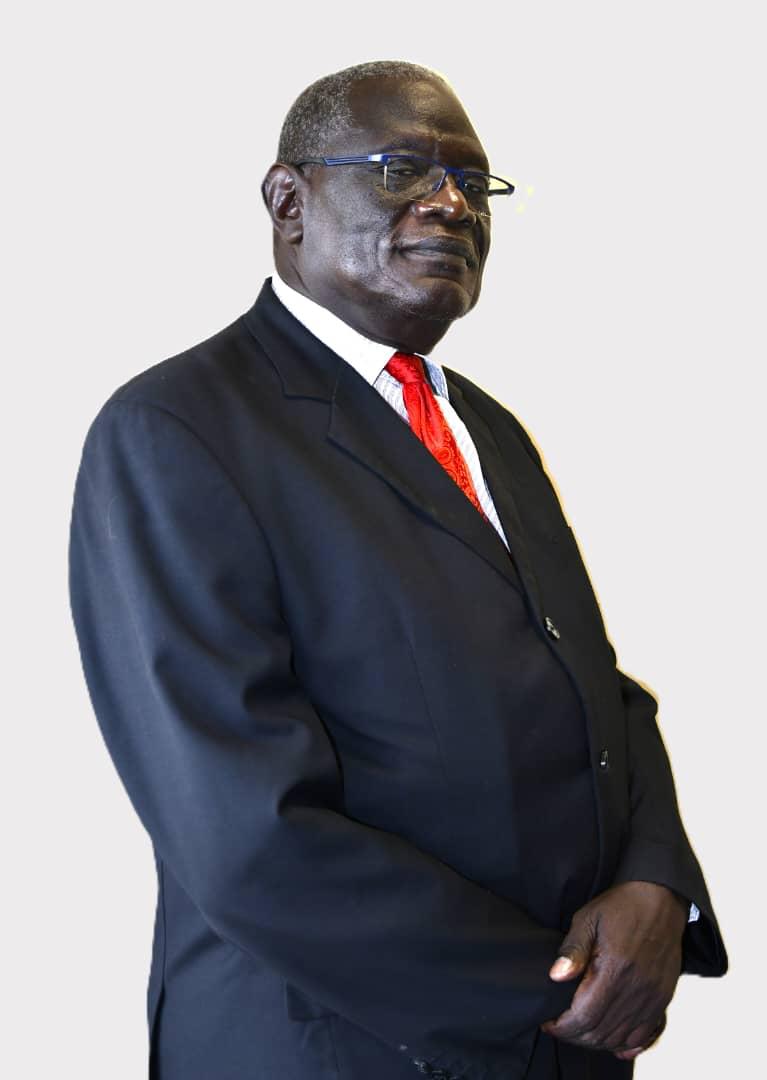
The program officially opened with remarks from the Managing Director of the Media Authority, Hon. Elijah Alier Kuai, who provided an overview of the institution’s mandate and strategic role in shaping the country’s media landscape.
He highlighted the Authority’s responsibility in promoting a professional, responsible, and accountable media sector while safeguarding ethical journalism and public interest. Hon. Elijah Alier Kuai emphasized the importance of understanding media regulation not as a limitation, but as a framework that strengthens credibility, trust, and professionalism within the industry.
He encouraged the students to uphold integrity, accuracy, and ethical standards as they prepare to join the media profession
Purpose of the visit
Speaking during the visit, the
Deputy Dean of the School, Ms. Delphina Roba, underscored the academic
significance of the tour.
“The study tour is part of our
academic program and is aimed to expose students to the practical operations, first-hand
professional standards information from the regulator itself, regulatory roles
of the media houses, and journalists’ accreditation.”
Her remarks reaffirmed the
University’s commitment to ensuring students graduate with both theoretical
grounding and practical institutional knowledge.
She further revealed that the
University of Juba is in the process of establishing a School Radio Station, which will serve as a practical training
platform. The station will enable journalism, media, and communication students
to conduct hands-on broadcasting practice while informing the public about
university activities—strengthening transparency and community engagement.
The Director General for Information
and Media Compliance of the Media Authority, Sapana Agyuli Abuyi, delivered a
comprehensive presentation on
- Media regulation frameworks
- Professional standards in journalism
- Journalists’ accreditation processes
- Compliance mechanisms
- The role of regulation in promoting ethical reporting
His presentation provided students
with a detailed understanding of how the Authority ensures adherence to
professional standards and fosters a responsible media environment. During his
presentation, he distributed hard copies of the journalists’ Code of Conduct to
familiarize the students with it, and finally emphasized that ethical
journalism is essential in building public trust and maintaining national
cohesion.
Speaking on behalf of the students,
Atui John Malual, the student representative, expressed gratitude to the Media
Authority for the warm reception and insightful sessions.
He noted that the visit is helping
bridge classroom learning with real-world practice, particularly in understanding
regulatory procedures, accreditation processes, and the ethical
responsibilities expected of media professionals. He described the experience
as eye-opening and essential for their transition from academic life into
professional journalism.
As the first cohort to undertake
this academic tour, the fourth-year students have set an important precedent
for future classes. The engagement reflects growing collaboration between
academic institutions and regulatory bodies in South Sudan.
By connecting students directly with
the regulator, the study visit reinforces the importance of ethics,
accountability, and professional standards in journalism. It also signals a
shared commitment between the University and the Media Authority to nurture
competent, ethical, and well-informed media practitioners who will contribute
positively to the country’s development.