THE PIONEER OF MEDIA REGULATION IN SOUTH SUDAN
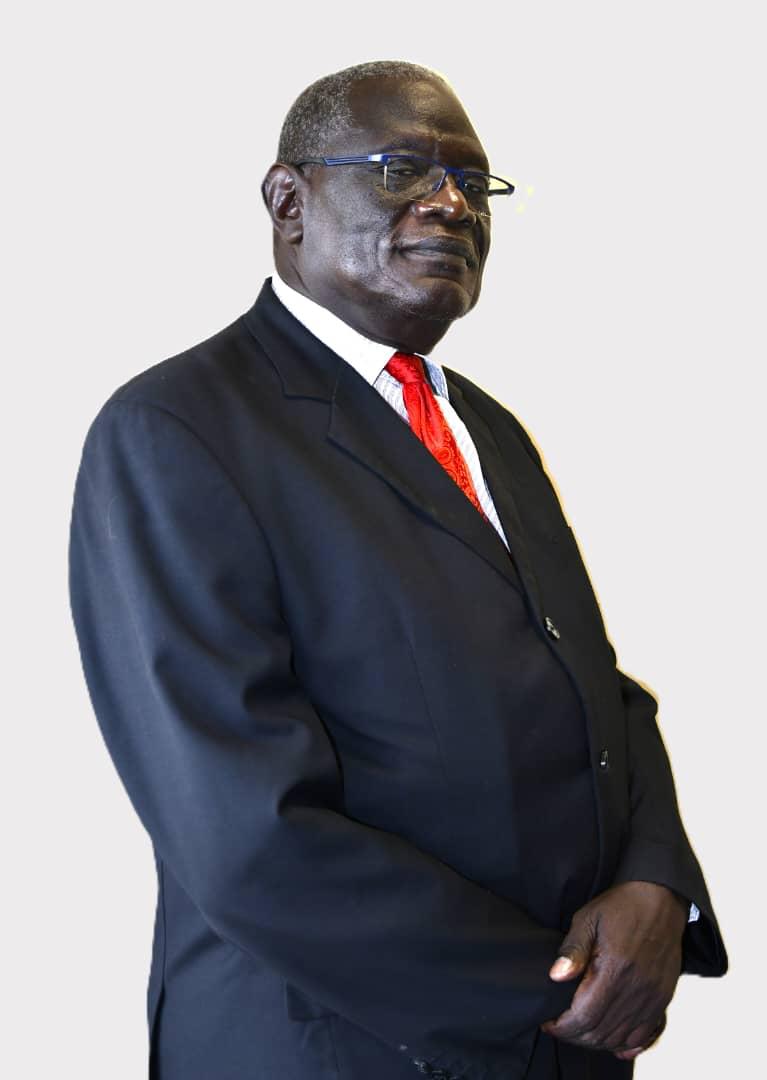
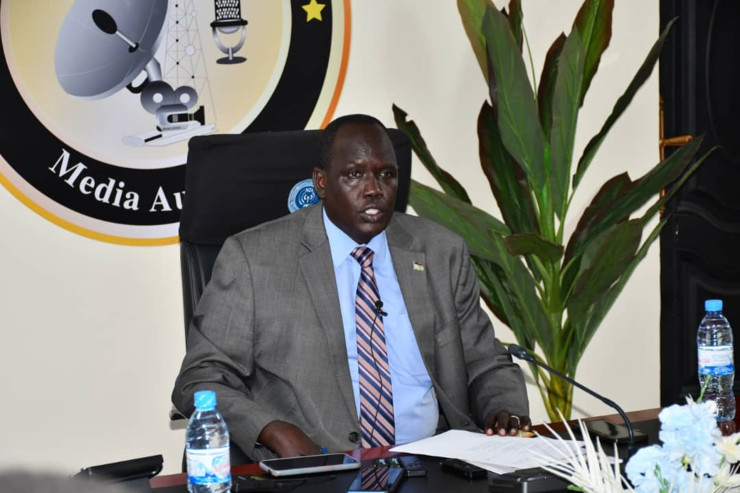
The history of media regulation in South Sudan can not be mentioned without talking of Hon. Elijah Alier Kuai, the founding Managing Director of the Media Authority of the Republic of South Sudan. From April 2016 to June 2026, he carried the responsibility of leading an institution that was, in many respects, being built for the first time. His decade of service was therefore more than an administrative assignment; it was a period in which his judgment, patience, relationships and personal commitment helped shape the character of a new national institution.
Hon. Elijah was appointed the first Managing Director of the Media Authority through Council of Ministers' Resolution No. 89/2016, in accordance with Section 17(1) of the Media Authority Act, 2013. He assumed the position at a formative moment for South Sudan, when many of the country's institutions were still developing their identity, systems and working culture.
Taking charge of a newly established regulator required more than interpreting legislation. It required building confidence in an institution whose role was still unfamiliar to many of the people it was expected to serve. Hon. Elijah approached this responsibility with an emphasis on dialogue, engagement and practical problem-solving. He understood that the effectiveness of a regulator would ultimately depend not only on the rules it issued, but also on the confidence and cooperation it could earn from journalists, media owners, government institutions and the wider public.
As the Authority's inaugural Managing Director and Secretary to its Board of Directors, he led the establishment of its administrative and operational foundations. Policies had to be developed, procedures put in place, responsibilities clarified and relationships established. These were demanding tasks, particularly in a country whose media environment was evolving alongside its broader political and institutional development.
For Hon. Elijah, institution-building was closely connected to people. His leadership placed considerable value on personal engagement with those working within and around the media sector. He regularly brought stakeholders into conversation, recognizing that disagreements between regulators and journalists could often be addressed more effectively through communication than confrontation. His approach helped create space for discussion on sensitive issues involving media freedom, professional conduct, access to information, and regulatory compliance.
That human dimension became particularly important in his engagement with journalists. He recognized that journalists were not simply subjects of regulation but professionals operating under difficult circumstances and carrying an important public responsibility. His efforts to engage with media practitioners and relevant institutions on issues affecting their safety, welfare, and professional environment reflected an understanding that a strong media sector requires both rights and responsibilities.
Throughout his tenure, the Media Authority developed and implemented regulatory mechanisms covering the licensing and registration of media enterprises, accreditation of journalists, professional standards and compliance. Yet behind these formal functions was a broader philosophy: regulation should help create an environment in which credible journalism could flourish.
Hon. Elijah consistently emphasized the importance of professionalism and ethical conduct. At a time when misinformation, disinformation, hate speech and incitement could have serious consequences for a young and fragile nation, he viewed responsible journalism as an essential part of protecting the public interest. His position was that regulation should not exist simply to control the media, but to strengthen public confidence in journalism by encouraging accuracy, accountability and professional integrity.
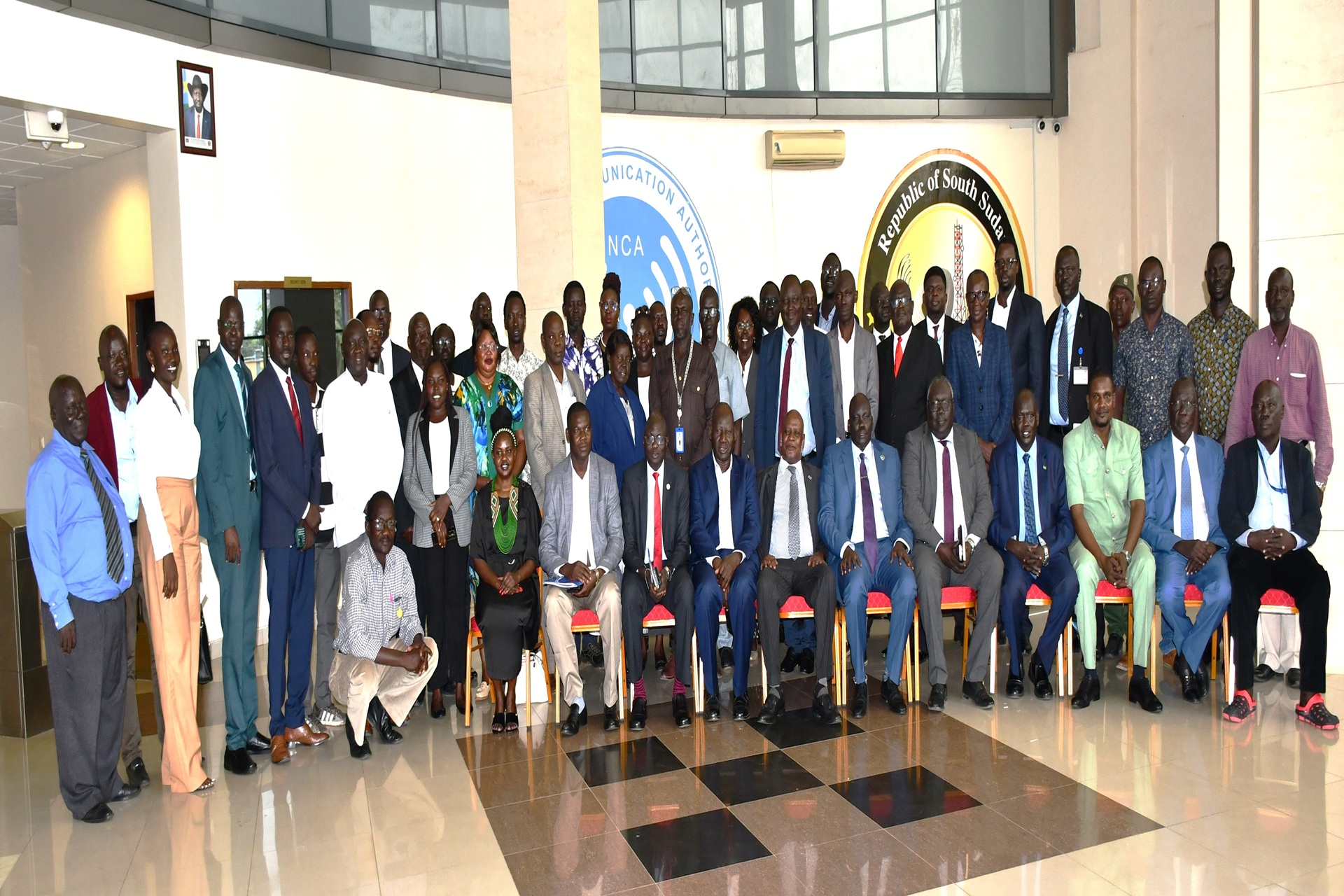
His leadership style was characterized by pragmatism. Building an institution in a complex environment required knowing when to insist on principle, when to listen, and when to bring competing interests to the same table. His willingness to engage government officials, journalists, media owners, civil society organizations, development partners and security institutions reflected his belief that media development could not be achieved by one institution acting alone.
Over the years, these relationships became an important part of his contribution. He helped establish the Media Authority not merely as a government office, but as a point of engagement among different actors within South Sudan's information environment. His ability to maintain dialogue across institutional and professional boundaries was particularly important in a sector where questions of regulation and freedom of expression can easily become contentious.
His responsibilities also extended into the broader communications sector through his service as a member of the Board of Directors of the National Communication Authority (NCA). This role gave him an additional perspective on the relationship between media, telecommunications and the rapidly changing ways in which South Sudanese citizens access and share information.
But perhaps the most defining aspect of his tenure was the fact that he remained at the center of the institution for nearly ten years. He witnessed its early uncertainties, its institutional growth and the changing expectations placed upon it. He worked through periods when resources were limited, circumstances were difficult and the meaning of media regulation itself was still being understood. Remaining committed to the institution through these different phases required resilience and a strong sense of public duty.
For those who encountered him in the course of his work, his legacy is therefore not limited to regulations, policies or administrative structures. It is also found in the relationships he built, the conversations he facilitated and the institutional culture he helped establish. His contribution was personal as well as professional: he gave the formative years of the Media Authority a recognizable leadership character grounded in engagement, persistence and service.
After completing two consecutive terms, Hon. Elijah concluded his tenure as Managing Director in June 2026. His departure represented a significant transition for an institution that had grown under his founding leadership. In his farewell message, he expressed gratitude to the Government of South Sudan, the Board and staff of the Media Authority, journalists, media organizations, development partners and the wider public for the cooperation and support extended throughout his years of service.
His departure also offered an opportunity to reflect on what it means to lead an institution from its beginning. Founding leaders rarely inherit established traditions or tested systems. They create precedents that others eventually take for granted. In that sense, Hon. Elijah's most enduring contribution may be the institutional foundation he helped establish for those who came after him.
His decade of service was ultimately a story of building, learning and persevering. He entered the Media Authority when it was a new institution with a broad legislative mandate and left after helping establish structures through which that mandate could be implemented.
Hon. Elijah Alier Kuai leaves behind more than a record of office. He leaves behind an institution in whose foundations are traces of his leadership, his relationships and his belief that media regulation can serve democracy without diminishing the freedom that makes journalism meaningful.