National Conference on Media Sustainability, Combating Hate Speech, and Strengthening Social Cohesion in South Sudan
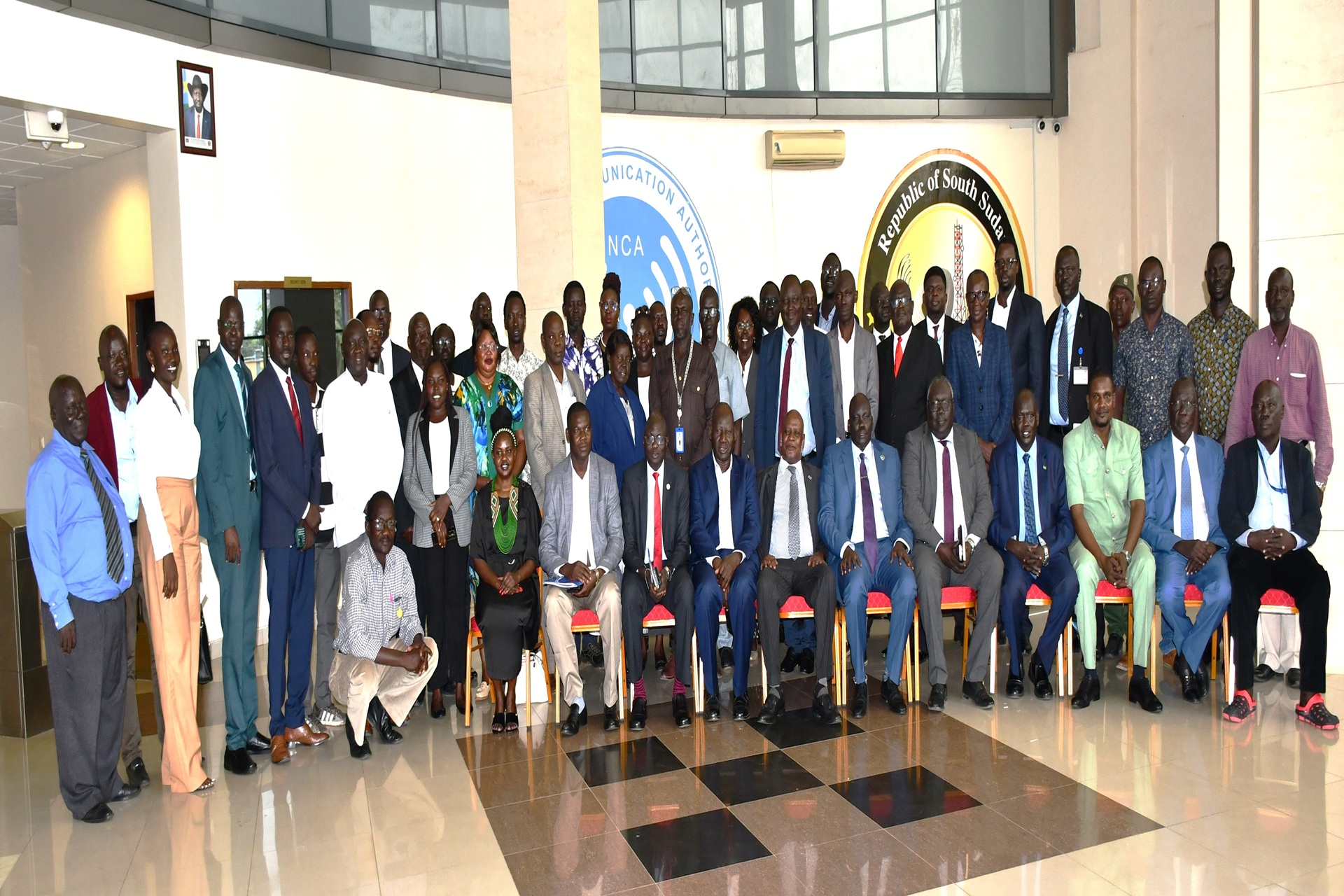
The Media Authority, in collaboration with Journalists for Human Rights and key international partners, convened a two-day National Conference on Combating Hate Speech and Strengthening Social Cohesion in South Sudan and a one-day National Media Forum on Media Sustainability. The conference brought together government officials, ministers of information and communication from the ten states and the three Administrative Areas, media practitioners, journalists, religious leaders, civil society organizations, security institutions, and development partners to address the growing threat of hate speech and incitement to violence and promote ethical and responsible journalism as a pathway to peace.
Held at the Juba Grand Hotel, the conference responded to the increasing use of inflammatory rhetoric, particularly on digital platforms, which has fueled ethnic divisions, misinformation, and violence. Anchored in the principle of ethical journalism, media regulation, and inclusive dialogue, the forum aimed to strengthen national efforts towards peacebuilding, reconciliation, and democratic development.
The conference was guided by a shared understanding that ethical and responsible journalism is a powerful tool for countering hate speech and incitement to violence. Participants emphasized the need for accurate, balanced, and conflict-sensitive reporting, alongside strong regulatory frameworks and public awareness, to curb harmful narratives and foster social cohesion.
Throughout the three days, discussions focused on media accountability, legal and policy frameworks, digital challenges, the role of the institutions and the communities, and the sustainable strategies for a resilient media sector.
On the first day, the keynote underscores the government’s commitment to promoting responsible communication and preventing hate-driven violence, particularly during politically sensitive periods. The roles of the Media Authority in regulating media content, handling complaints, and enforcing compliance with the Media Authority Act, 2013, were presented. Ministers of Information from the ten states and three Administrative areas highlighted the status of hate speech, misinformation, and incitement across the country.
Day two focused on drivers of hate speech, legal remedies, and coordinated stakeholder responses. A legal session on determining hate speech and available remedies, including cybercrime considerations, was presented. The Declaration of Principles on Freedom of Expression and Access to Information in Africa, which emphasizes the balance between regulation and media freedom, and includes a thematic discussion on legal and policy frameworks, journalism ethics, digital platforms, and the gendered impacts of hate speech, was presented. The participants worked collaboratively to develop strategies, resolutions, and elements of a national action plan to combat hate speech and incitement to violence. These discussions reinforced the importance of shared responsibility among institutions and communities.
The final day transitioned into a National Media Forum, focusing on the future of the media sector in South Sudan and its role in sustaining peace, as well as the current media landscape in the country, including media monitoring findings and regulatory perspectives. Digital transformation and artificial intelligence, examining both opportunities and risks for journalism and job security. Media sustainability models, with media managers and editors sharing experiences on building resilient and independent media institutions.
The day culminated in a forward-looking dialogue on
the future of media in South Sudan, followed by the development and adoption of
a media sustainability strategy and a joint communique. These outcomes
reinforce the link between ethical journalism, financial sustainability, and
long-term peacebuilding.