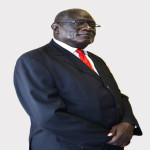
Three-Day Media Dialogue to Strengthen Press Freedom and Counter Mis/Disinformation Efforts in Malakal, Upper Nile State.
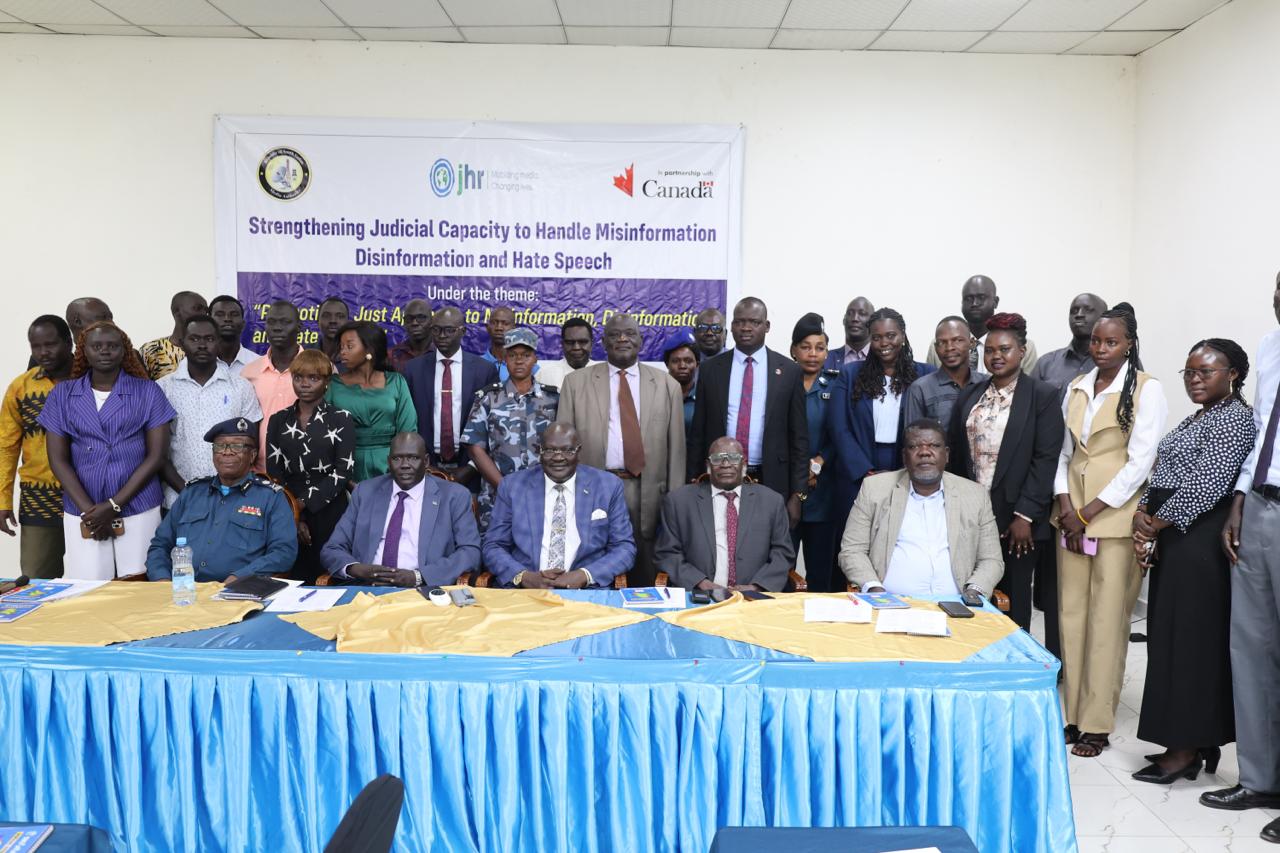
The Media Authority, in partnership with Journalists for Human Rights (JHR) and with support from Global Affairs Canada, successfully convened a three-day thematic forum on Advancing Press Freedom and Combating Misinformation, Disinformation, and Hate Speech in Malakal, Upper Nile State.
The forum brought
together government officials, security organs, judicial representatives, civil
society organizations, and media practitioners to strengthen collaboration,
enhance understanding of media regulation, and address the growing impact of
misinformation and hate speech on peace and stability in Upper Nile State.
The Media Authority has implemented nationwide training and dialogue forums since its establishment in 2016. It aimed to promote awareness of media laws and strengthen the role of an independent media, fostering transparency, accountability, peace, and democratic governance. Implemented in collaboration with the Journalists for Human Rights, these initiatives sought to address persistent misunderstandings between journalists and the state’s institutions.
Due to prolonged insecurity and widespread displacement, Malakal and other parts of Upper Nile State had not previously benefited from these programs. The three-day forum was therefore designed to bridge this gap, establish a mechanism for addressing misinformation and hate speech, and promote constructive engagement between the media and the state actors.
On Wednesday, 10 December 2025, the workshop officially opened at the state Ministry of Information and Communication in Malakal. The discussions of the day were the role of the Media Authority in regulating the media, covering accreditation, journalists’ Code of Conduct, media compliance, and regulatory procedures, then conflict-Sensitive Reporting, which focused on challenges in maintaining objectivity in conflict zones, followed by practical examples and scenarios from the Upper Nile State, and gender-sensitive reporting, which highlights inclusive ethical reporting practices.
The second day of the workshop featured remarks delivered by the Advisor to the State Commissioner, who underscored the importance of responsible media practice, adherence to media laws, and cooperation between journalists and government institutions to counter Disinformation. The sessions were on the role of the Ministry of Information in addressing misinformation, hate speech, and media complaints, the media complaint-handling procedures, and improving media relations between journalists, security agencies, and government institutions.
The final day of the
workshop focused on deepening thematic discussions and consolidating commitment
made during the workshop. The sessions addressed the role of hate speech
in fueling violence and how it is regulated by the Media Authority, the
understanding of misinformation and disinformation within South Sudan’s
information ecosystem, and the gendered dimensions of misinformation and the
motivations behind it.
The forum concluded with the presentation and adoption of resolutions, as well as closing remarks that emphasized continued collaboration, respect for media freedom, and adherence to professional and ethical standards.
This workshop marked a significant step toward strengthening media governance, countering misinformation and hate speech, and fostering constructive engagement between journalists and government institutions in Upper Nile State. Through dialogue, technical learning, and cultural exchange, the forum contributed to building trust and promoting responsible journalism as a foundation for peace and democratic development in South Sudan.